How To Prepare For A Tow: Safety Checklist For Gold Coast Drivers
Breakdowns rarely give you a polite warning. One minute you’re cruising along the M1 or easing through a coastal strip of road, the next you’re stuck on the shoulder with traffic flying past. It’s stressful, it’s disorienting and it often happens at the worst possible time. Knowing how to prepare before help arrives can make a massive difference to your safety and peace of mind.
In this guide, we’ll walk you through exactly what to do while waiting for emergency towing on the Gold Coast, with clear steps you can follow even when your nerves are running high. From staying visible on busy roads to gathering the right details for the towing operator, we’ll cover practical advice shaped by real local driving conditions.
First Priority: Protect Yourself & Your Passengers
The Gold Coast has a mix of high-speed motorways, tourist-heavy streets and narrow coastal roads. When a vehicle stops unexpectedly, the biggest risk often comes from other drivers who aren’t expecting you to be there.
Start by focusing on personal safety before touching anything else.
If the car still moves, steer it away from traffic. A breakdown lane, side street or car park offers far more protection than stopping in a live lane. On roads like the M1 or Gold Coast Highway, even a small distance can lower the risk. Once you have stopped:
- Turn your hazard lights on straight away
- Apply the handbrake firmly
- Switch the engine off if it’s safe to do so
If traffic feels unpredictable, staying inside the vehicle with seatbelts fastened may be safer than standing roadside. On quieter streets, stepping away from the vehicle and standing well clear of traffic can help.
Make Your Vehicle Impossible to Miss
Visibility matters, especially during afternoon storms, heavy rain or the low sun glare common along the coast.
Hazard lights stay on from the moment you stop until the tow truck arrives. If you carry a reflective vest or warning triangle, now’s the time to use it. Set the triangle a safe distance behind the vehicle so approaching drivers have extra warning.
Night-time breakdowns need extra care. Interior lights can help you stay visible without dazzling passing drivers. Avoid standing in dark clothing close to the edge of the road.
This simple visibility check can prevent secondary accidents and keep everyone calmer while waiting.
Know When to Stay Put and When to Move Away
Gold Coast drivers often ask if they should exit the vehicle or remain inside. There’s no single rule that fits every scenario, but a few local factors help guide the choice.
On fast roads like the M1 or the Smith Street Motorway, remaining inside the vehicle with your seatbelt on is often safer unless there’s smoke, fire or another immediate danger. Exiting puts you close to vehicles travelling at speed.
On suburban streets or quieter coastal roads, stepping well away from traffic can reduce risk, especially if cars squeeze past. If you do decide to leave the vehicle:
- Stand behind a barrier if available
- Keep children close and supervised
- Avoid standing between the car and oncoming traffic
Trust your judgement and prioritise distance from moving vehicles.
Secure Valuables & Personal Items Early
Tow trucks don’t arrive instantly, and once your vehicle moves, accessing personal items becomes harder. It’s best to take a moment to collect essentials:
- Phone, wallet and keys
- Work gear or tools if you’re a tradie
- Child seats or prams, if applicable
Loose items inside the cabin or boot should be secured to prevent movement during loading. This also saves time when the tow truck arrives, keeping the process smooth.
If the vehicle needs to go to a holding yard or workshop, having your personal belongings with you removes stress later.
Gather the Right Information Before Calling
Calling for a tow feels easier when you know what details to share. Towing operators work faster when they have clear information from the start. Before you pick up the phone, some handy things to note are:
- Your exact location or nearest landmark
- Direction of travel if you’re on a motorway
- Vehicle make, model and colour
- The issue if known or what happened before stopping
Busy Gold Coast roads can make it tricky for drivers to spot you quickly. Clear location details help the operator plan a safer approach.
When requesting emergency towing on the Gold Coast, accurate information also helps dispatch the right truck for your situation, saving time on arrival.
Prepare the Vehicle for Loading
Once help is on the way, a few small steps make the tow safer and faster. If it’s safe to, please:
- Straighten the front wheels
- Release the steering lock if possible
- Put the car in neutral if instructed
Leave the hazards on and stay nearby so you can communicate with the operator as they arrive. Avoid attempting repairs on the roadside unless you’re completely confident and traffic conditions allow it.
Tow operators manage challenging recoveries every day, especially on narrow coastal streets and busy intersections. Clear access makes their job safer.
Weather and Traffic Add Extra Pressure
Gold Coast conditions play a big role in roadside safety. Summer storms reduce visibility fast, and sudden downpours can flood shoulders. Tourist seasons bring unfamiliar drivers who may brake late or drift lanes. During peak times, you should:
- Expect longer wait times
- Stay patient and visible
- Avoid standing near traffic out of frustration
Early mornings and late evenings may feel quieter, but speeding vehicles still pose a risk. Treat every breakdown with the same level of caution.
Staying Calm Helps Everything Else Fall into Place
Breakdowns trigger stress responses that cloud decision-making. Taking slow breaths and following a checklist helps you regain control of the situation. Remind yourself that:
- You’re taking steps to stay safe
- Help is on the way
- Most roadside incidents resolve quickly
Clear thinking leads to better communication and safer outcomes. Even a few moments of calm can change how the experience feels.
What Happens Once the Tow Truck Arrives
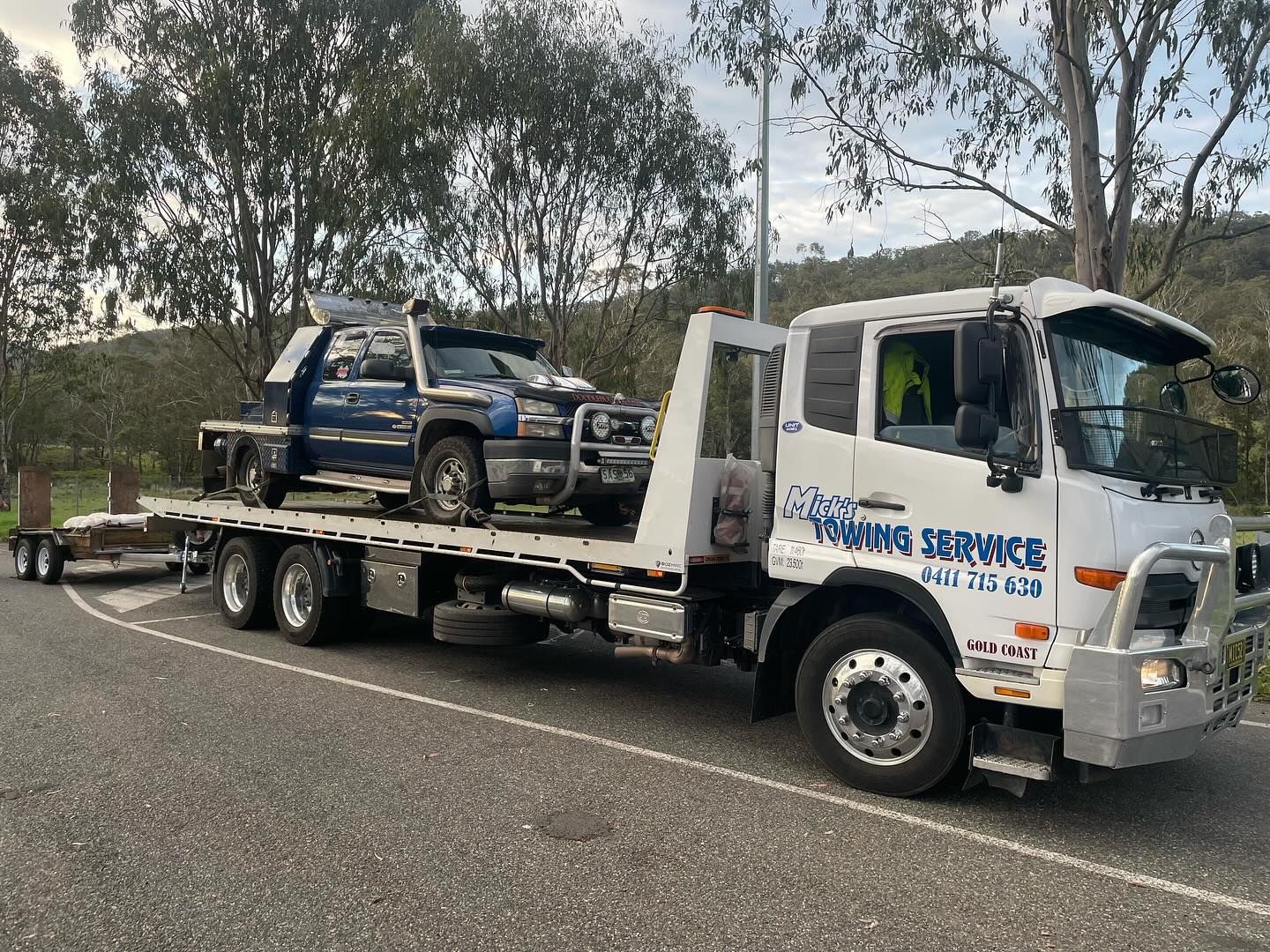
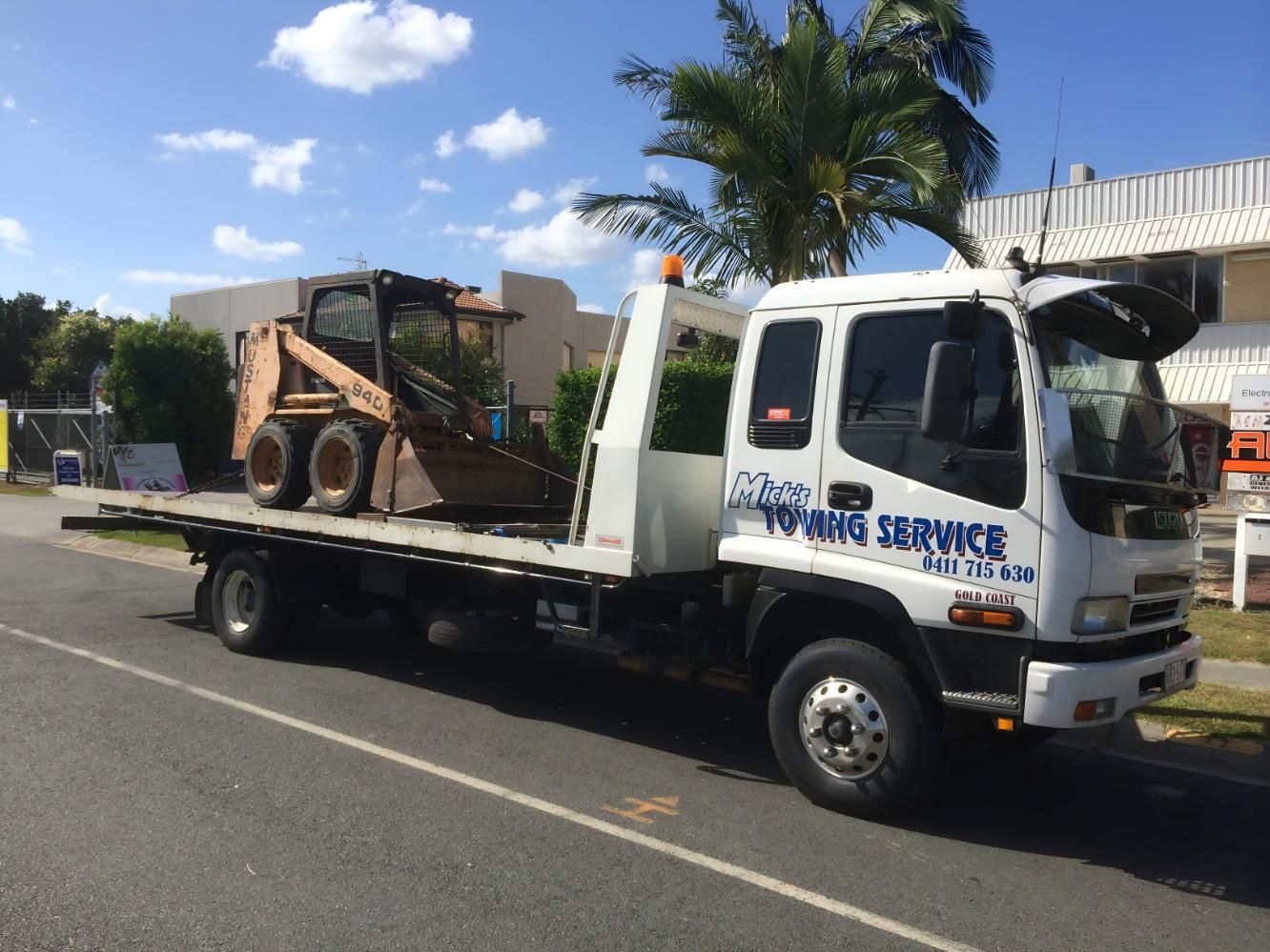
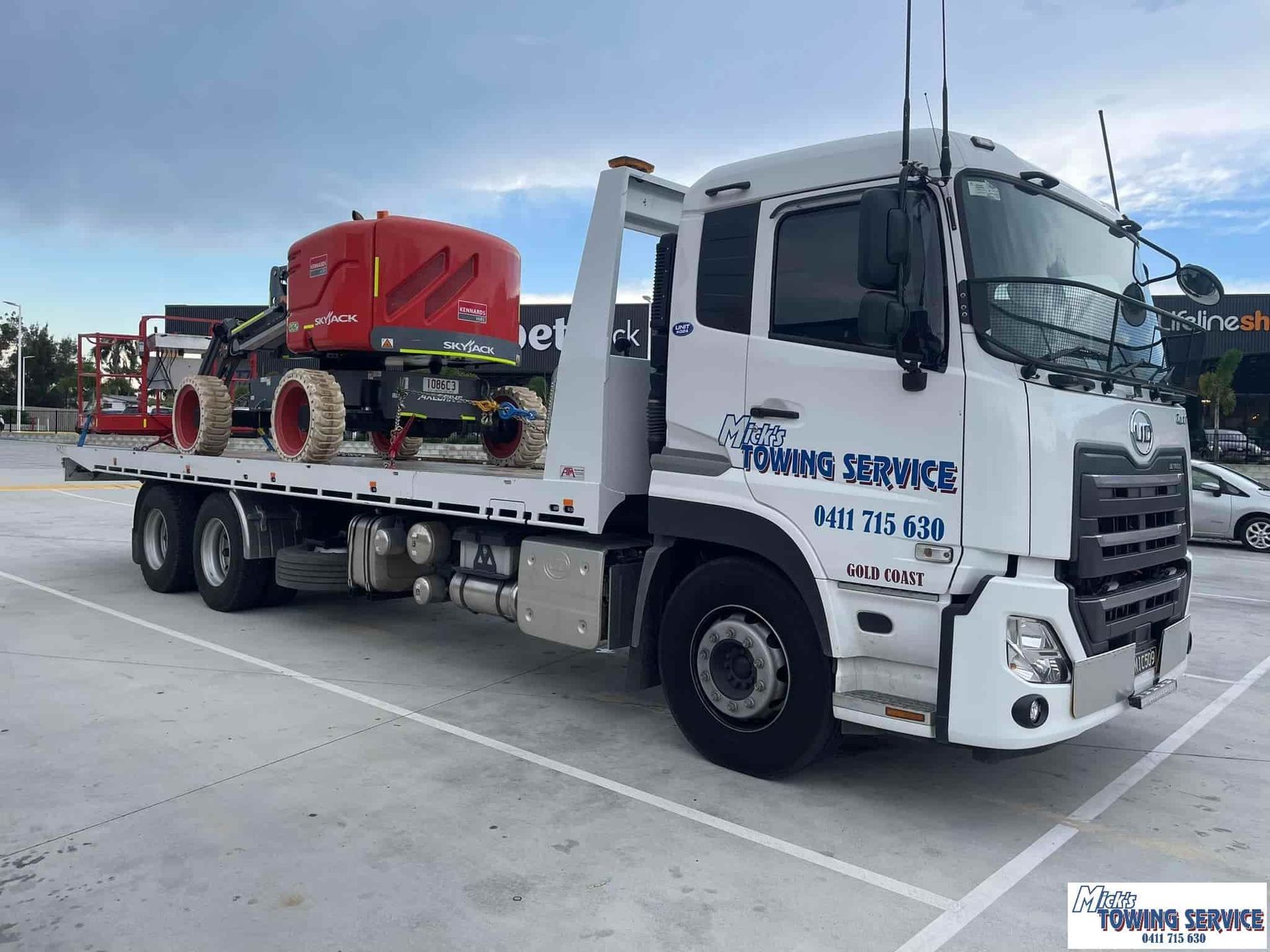
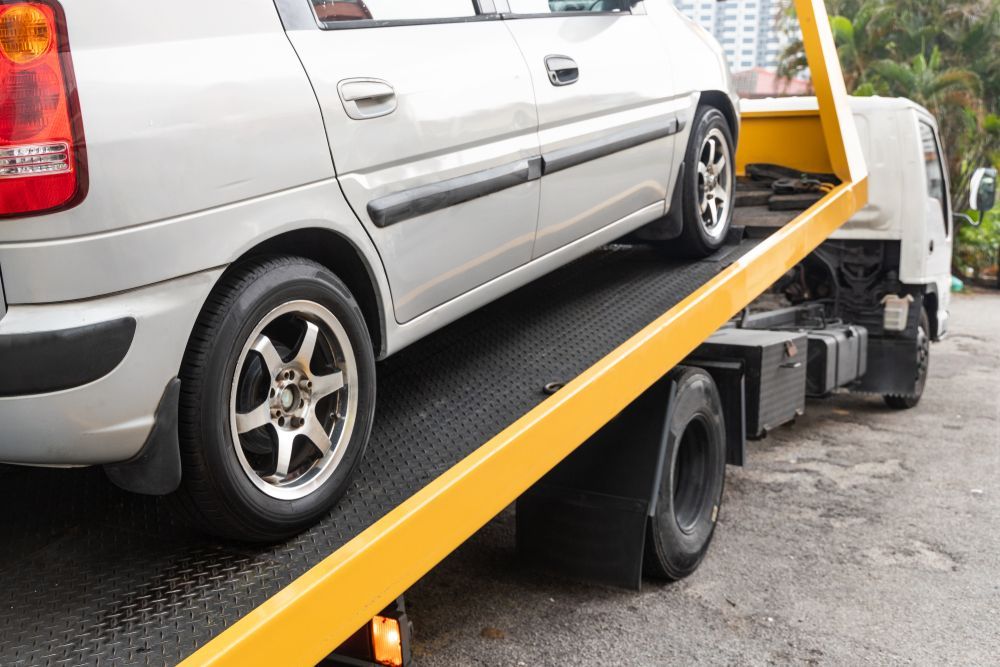
When the truck pulls up, follow the operator’s instructions carefully. They’ll position the vehicle, manage traffic risks and handle loading equipment.
Stay where directed and avoid moving around unnecessarily. If you have questions, ask them once the vehicle is secure. Their focus stays on safety first.
Once loaded, confirm the destination and any next steps so you’re not left guessing.
Preparing for a tow isn’t about mechanical knowledge. It’s about awareness, visibility and simple actions that protect you, your passengers and other road users. Gold Coast roads move fast, and staying organised while waiting for help reduces risk in every direction.
When you need support from a local team that puts safety first,
Mick’s Towing Service supports drivers across the Gold Coast with calm, professional roadside assistance. If you find yourself stuck and need emergency towing on the Gold Coast,
reach out and get help moving forward with confidence.