How Weather Impacts Truck Towing on the Gold Coast
Bad weather can turn a routine recovery into a technical operation where weight, road surface, visibility and timing all matter. For truck drivers and fleet managers, understanding how conditions affect heavy vehicle recovery is essential, because services providing truck towing on the Gold Coast often need to respond when rain, wind or heat has already made the situation more difficult. A loaded truck on a wet shoulder, a prime mover affected by crosswinds or a vehicle stopped in extreme heat needs more than a quick hook-up. It needs a careful assessment, the right equipment and a towing team that understands how weather changes risk.
The weather impact on towing is not limited to the truck itself. It affects braking distances, recovery angles, roadside safety, communication, traffic control and the way equipment performs under pressure. Professional towing helps reduce those risks by combining preparation, experience and site-specific decision-making. For operators managing deliveries, freight schedules or fleet availability, that support can mean the difference between a controlled recovery and a costly escalation.
Rain Changes Road Grip And Recovery Control
Wet roads reduce traction for both the disabled truck and the recovery vehicle. When water sits on the surface, tyres have less contact with the road and any sudden movement can increase the risk of slipping, sliding or jackknifing. Rain can also hide potholes, soft shoulders and uneven ground, making the recovery area harder to judge.
A wet-weather towing plan usually accounts for these risks:
- Reduced tyre grip
- Longer braking distances
- Lower visibility
- Soft roadside edges
- Slower traffic response
Professional towing operators adapt by positioning recovery vehicles carefully, using controlled winching and avoiding sharp movements that may destabilise the truck. The goal is to keep the recovery steady from first assessment through to transport. For fleet managers, this matters because a rushed recovery in wet conditions can create further damage, extra delays and avoidable safety concerns.
Wind Can Make Heavy Vehicles Unstable
Strong wind can affect trucks even when they are stationary. High-sided vehicles, trailers and empty bodies can catch crosswinds, especially in exposed areas. During towing, wind adds another force that the operator must manage, particularly when the truck is being pulled, loaded or moved from a vulnerable position.
Wind-related towing concerns may include these factors:
- Trailer sway
- Sudden gusts
- High-sided loads
- Exposed recovery areas
- Reduced driver control
A professional towing team will consider wind direction, vehicle height, load condition and roadside exposure before moving the truck. Operators may need to adjust towing angles, stabilise the vehicle or delay certain movements until the recovery path is safer. This kind of judgement is important because wind can change quickly and a heavy vehicle under tow must remain predictable at every stage.
Heat Places Extra Strain On Equipment
Hot weather creates its own towing challenges. Trucks may break down because of overheating, tyre failure or cooling system issues, and the recovery process itself can place additional stress on already strained components. Heat can also affect hydraulic equipment, road surfaces and the working conditions for operators managing the recovery.
High-temperature recoveries often require attention to these details:
- Engine overheating
- Tyre pressure changes
- Hydraulic performance
- Driver fatigue
- Road surface softening

Careful towing practice helps prevent further damage to the truck. Operators may inspect whether the vehicle is safe to move, check for fluid leaks and choose the most suitable recovery method. In very hot conditions, efficiency is important, but so is patience. A controlled process protects the vehicle, the towing equipment and the people working around the site.
Poor Visibility Increases Roadside Risk
Rain, glare, storms and low light can all reduce visibility during a truck recovery. This is a major concern because towing often happens near moving traffic. When drivers have less time to see a stopped truck, recovery vehicle or roadside crew, every part of the operation needs to be organised with safety in mind.
Visibility planning may involve these precautions:
- Warning lights
- Safe vehicle positioning
- Clear communication
- Traffic awareness
- High-visibility gear
Professional towing is not just about moving the truck. It also involves creating a safer working area around the recovery. Operators assess where to place the tow truck, how to approach the disabled vehicle and how to make the scene visible to other road users. This is especially important for heavy vehicles because they occupy more road space and may require wider turning or loading clearance.
Roadside Ground Conditions Affect Recovery Choices
Weather can change the ground beneath and around a truck. After heavy rain, shoulders can become soft, muddy or unstable. In heat, some surfaces may soften or break apart under weight. A truck that has moved off the sealed road can become harder to recover because the towing force must be applied without causing the vehicle to sink further or shift unexpectedly.
Ground conditions can influence these decisions:
- Winching direction
- Recovery vehicle placement
- Anchor points
- Load movement
- Stabilisation needs
Experienced towing operators inspect the surrounding area before starting. They look at the truck’s position, the slope of the ground, nearby hazards and how the vehicle’s weight is distributed. This assessment helps determine whether the truck can be towed directly, winched first or stabilised before movement. The right decision can prevent damage to the chassis, suspension, tyres and surrounding road edge.
Loaded Trucks Need Careful Weight Management
Weather becomes more complex when a truck is carrying freight, equipment or materials. A loaded truck has different balance and braking characteristics, and its cargo may shift if the vehicle is moved incorrectly. Rain, wind or uneven ground can increase that risk, especially if the truck has stopped at an angle or become stuck.
Weight management during towing may involve these checks:
- Load position
- Vehicle angle
- Axle weight
- Trailer connection
- Cargo stability
Professional truck towing focuses on controlled movement. Operators consider whether the load is secure, whether the trailer should remain attached and how towing forces will travel through the vehicle. For fleet managers, this level of care helps protect not only the truck but also the cargo, delivery commitments and insurance considerations linked to damaged goods.
Professional Equipment Reduces Weather-Related Risk
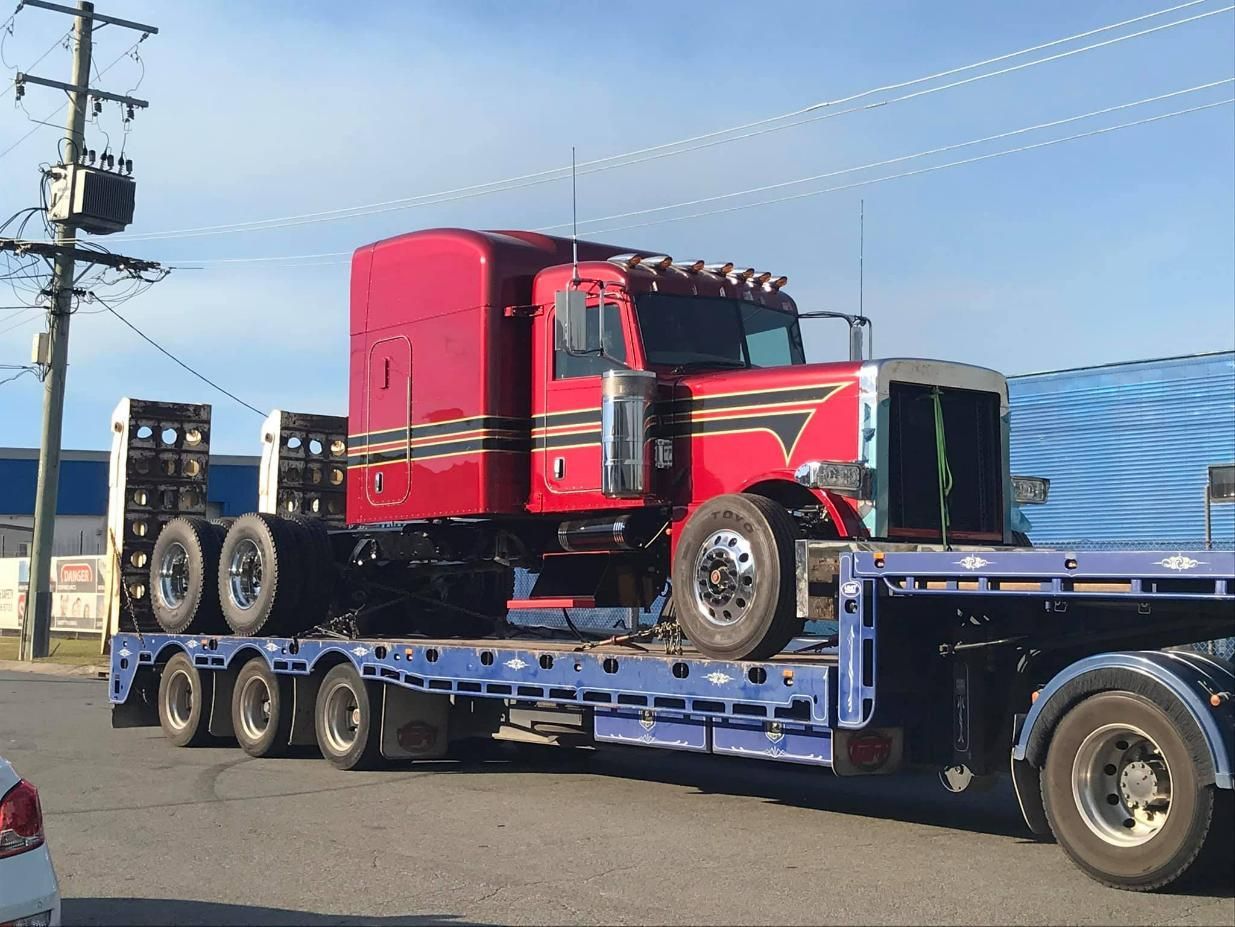
Adverse conditions are harder to manage without the right equipment. Heavy vehicle towing may require specialised tow trucks, winches, lifting systems, recovery gear and communication tools. In poor weather, equipment selection becomes even more important because the margin for error is smaller.
The right towing setup may include these essentials:
- Heavy-duty tow trucks
- Rated recovery gear
- Controlled winching systems
- Safety lighting
- Suitable lifting equipment
Professional operators also understand the limits of their equipment. They know when a truck can be safely moved, when additional support is needed and when a different recovery method is more suitable. This prevents guesswork and reduces the risk of damaging the vehicle or making the scene more dangerous.
Experience Matters When Conditions Change Quickly
Weather rarely stays convenient during a breakdown. Rain can intensify, wind can shift and heat can worsen while a driver waits for assistance. A trusted towing team needs to make practical decisions quickly without rushing the job. That balance comes from experience with heavy vehicles, road conditions and recovery planning.
Skilled operators bring value through these strengths:
- Fast site assessment
- Calm decision-making
- Clear driver guidance
- Safe recovery methods
- Efficient vehicle transport
For truck drivers, this means knowing what to expect during the recovery. For fleet managers, it means fewer unknowns and better communication about timing, vehicle condition and next steps. Trust is built through consistency, especially when conditions are difficult and the recovery needs to be completed safely.
Get Dependable Support When The Weather Turns
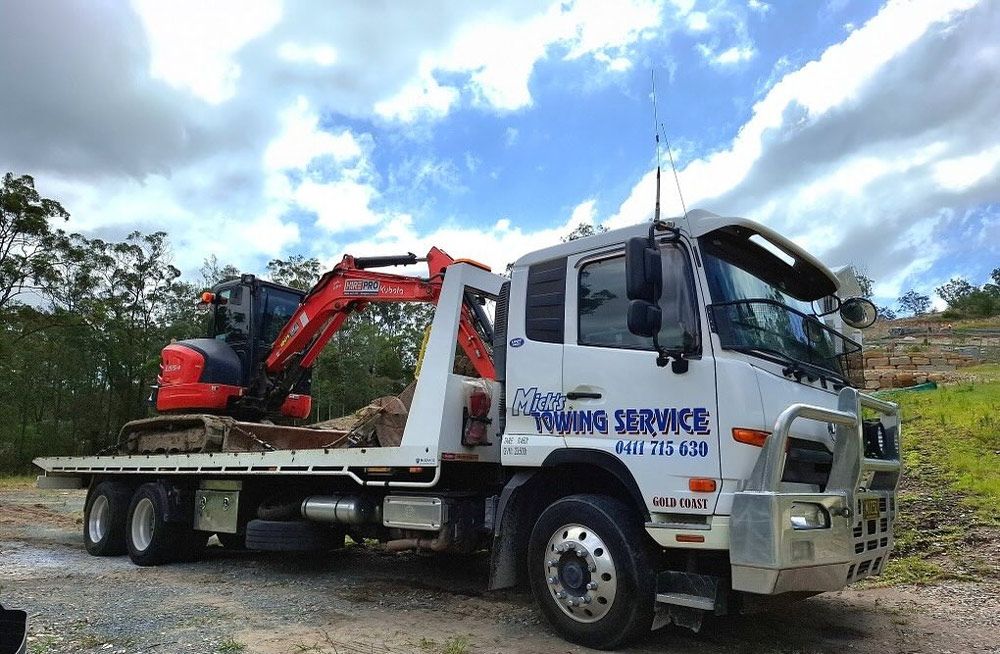
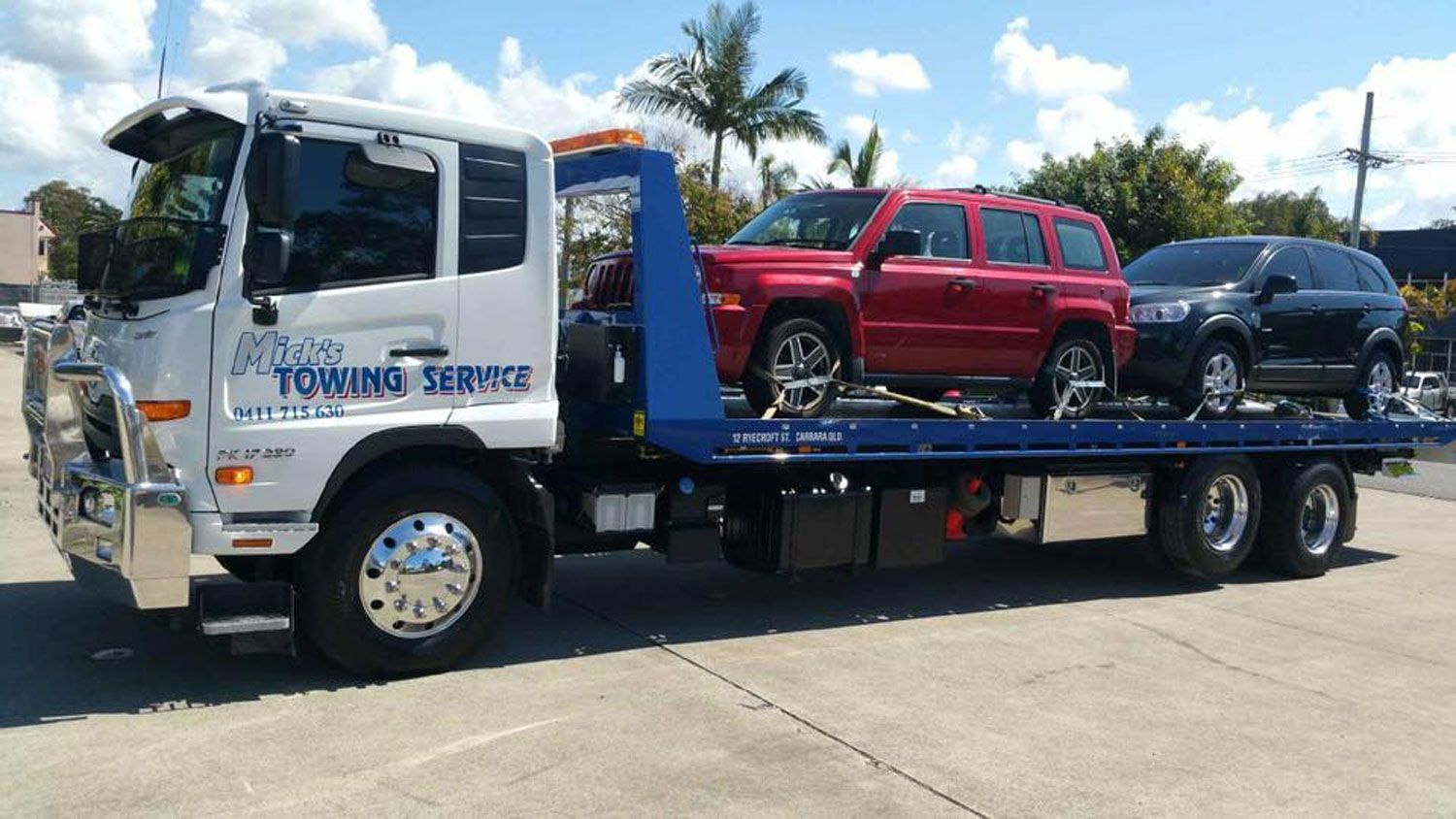
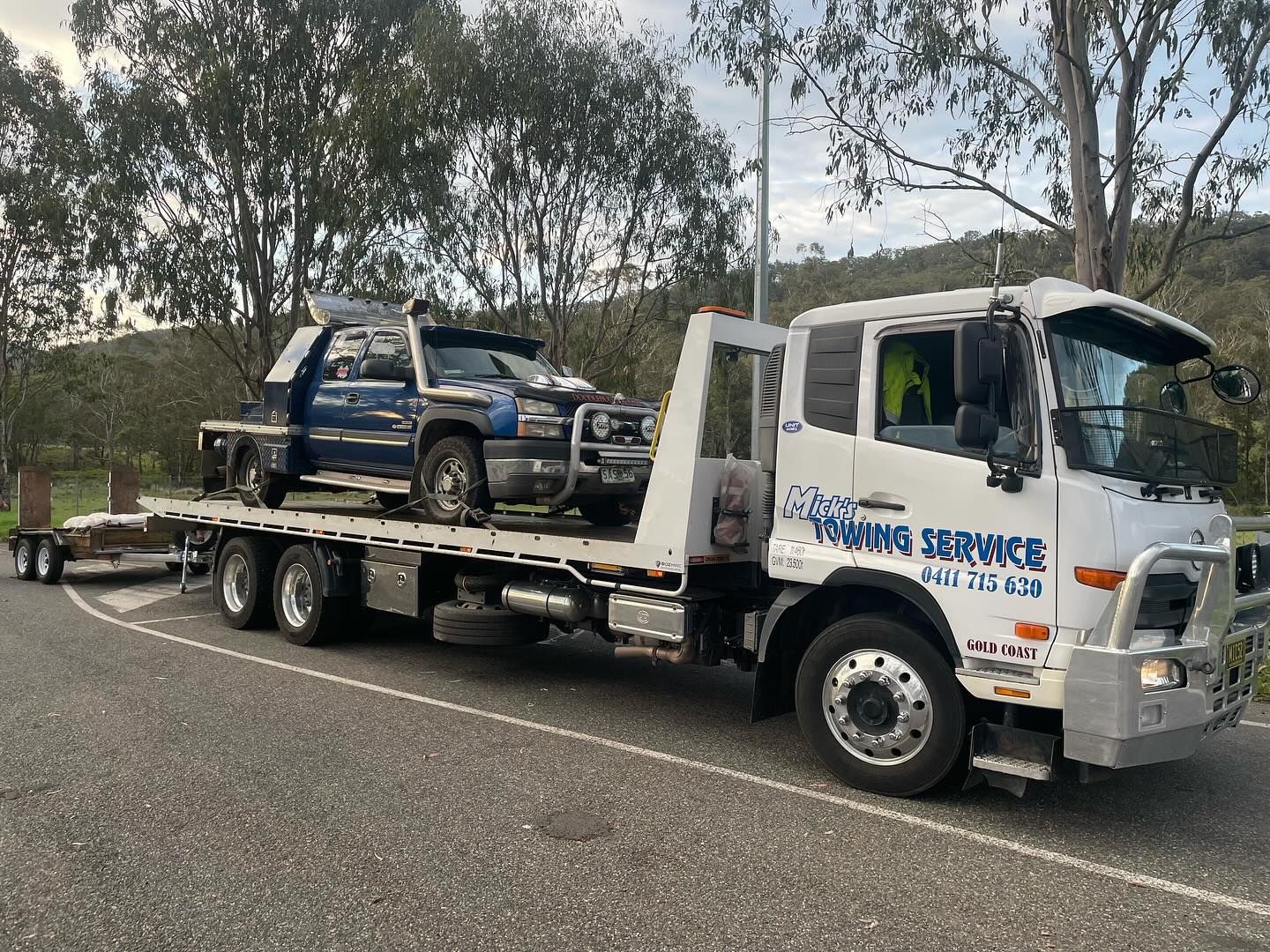
We at Mick’s Towing provide truck towing Gold Coast support for drivers and fleet managers dealing with breakdowns, bogged vehicles, weather-related incidents and heavy vehicle recovery challenges across the Gold Coast. Our team understands how rain, wind and heat affect towing conditions, and we bring the right equipment, practical judgement and steady communication to help reduce risk during adverse weather.
Contact our team, call for assistance or arrange professional towing support when your truck needs safe recovery in difficult conditions.