Tips for Preventing Truck Breakdowns on Long Hauls
Long-haul trucking places constant demands on both driver and vehicle. Hours on the road, changing conditions and heavy loads all contribute to wear that, if left unchecked, can quickly lead to breakdowns. For drivers and fleet managers, prevention is far more practical than dealing with unexpected downtime. A structured approach to maintenance and regular inspections not only reduces disruptions but also supports safety, compliance and cost control over time.
Below are key areas to focus on when aiming to prevent breakdowns and keep
trucks operating reliably across long distances.
1. Prioritise Pre-Trip Inspections
A thorough pre-trip inspection is one of the most effective ways to prevent breakdowns before they occur. Taking the time to assess critical components helps identify minor issues before they escalate into major mechanical failures.
A consistent pre-trip routine should include:
- Checking fluid levels, including engine oil, coolant & brake fluid
- Inspecting tyres for wear, pressure & visible damage
- Testing lights, indicators & brake signals
- Examining belts & hoses for cracks or looseness

By building this process into every departure, drivers reduce the likelihood of encountering preventable issues on the road.
2. Maintain a Regular Service Schedule
Routine servicing is essential for keeping trucks in optimal working condition. Skipping scheduled maintenance increases the risk of breakdowns, especially during long hauls where vehicles operate under sustained stress.
A well-managed service schedule should involve:
- Engine servicing based on manufacturer recommendations
- Regular oil & filter changes
- Brake system inspections & adjustments
- Suspension & steering checks
Fleet managers benefit from tracking service intervals digitally to ensure no maintenance tasks are missed. Consistency in servicing directly contributes to improved reliability and reduced downtime.
3. Monitor Tyre Condition & Pressure
Tyres are one of the most common causes of roadside breakdowns. Improper inflation, uneven wear or unnoticed damage can lead to blowouts, particularly when travelling long distances with heavy loads.
To minimise tyre-related issues:
- Check tyre pressure daily & adjust according to load requirements
- Rotate tyres regularly to ensure even wear
- Inspect for cuts, bulges or embedded debris
- Replace worn tyres before tread depth becomes unsafe

Well-maintained tyres improve fuel efficiency and reduce the risk of unexpected stops that may require towing support.
4. Keep an Eye on the Cooling System
Overheating is a frequent cause of breakdowns, particularly during extended trips. The cooling system plays a vital role in maintaining engine temperature and preventing damage.
Preventative steps include:
- Checking coolant levels before every trip
- Inspecting radiators for leaks or blockages
- Ensuring hoses are secure & free from cracks
- Monitoring temperature gauges while driving
Addressing cooling system issues early can prevent costly engine repairs and roadside incidents.
5. Pay Attention to Warning Signs
Modern trucks are equipped with sensors and warning systems designed to alert drivers to potential problems. Ignoring these warnings often leads to breakdowns that could have been avoided.
Drivers should respond promptly to:
- Dashboard warning lights
- Unusual noises such as grinding or knocking
- Vibrations or changes in handling
- Reduced braking performance
Reporting and addressing these signs early allows maintenance teams to resolve issues before they escalate into major failures.
6. Conduct Post-Trip Inspections
Post-trip inspections are just as important as pre-trip checks. They provide an opportunity to identify issues that developed during the journey and ensure the truck is ready for its next run.
A thorough post-trip inspection should involve:
- Checking for fluid leaks under the vehicle
- Inspecting tyres for damage after long distances
- Noting any performance issues experienced during the trip
- Recording maintenance needs for follow-up
This proactive approach supports ongoing reliability and helps prevent recurring problems.
7. Train Drivers in Basic Maintenance Awareness
Drivers play a key role in preventing breakdowns. While they may not perform full mechanical repairs, having a solid understanding of basic maintenance helps them identify risks early.
Driver training should cover:
- Recognising early signs of mechanical issues
- Performing routine inspections correctly
- Understanding load limits & their impact on the vehicle
- Reporting faults accurately & promptly

Well-informed drivers contribute to safer operations and reduce the likelihood of unexpected breakdowns on long hauls.
8. Plan for the Unexpected with Professional Support
Even with strong preventative measures in place, breakdowns can still occur. Mechanical components can fail without warning, and external factors such as road conditions or debris may cause sudden damage.
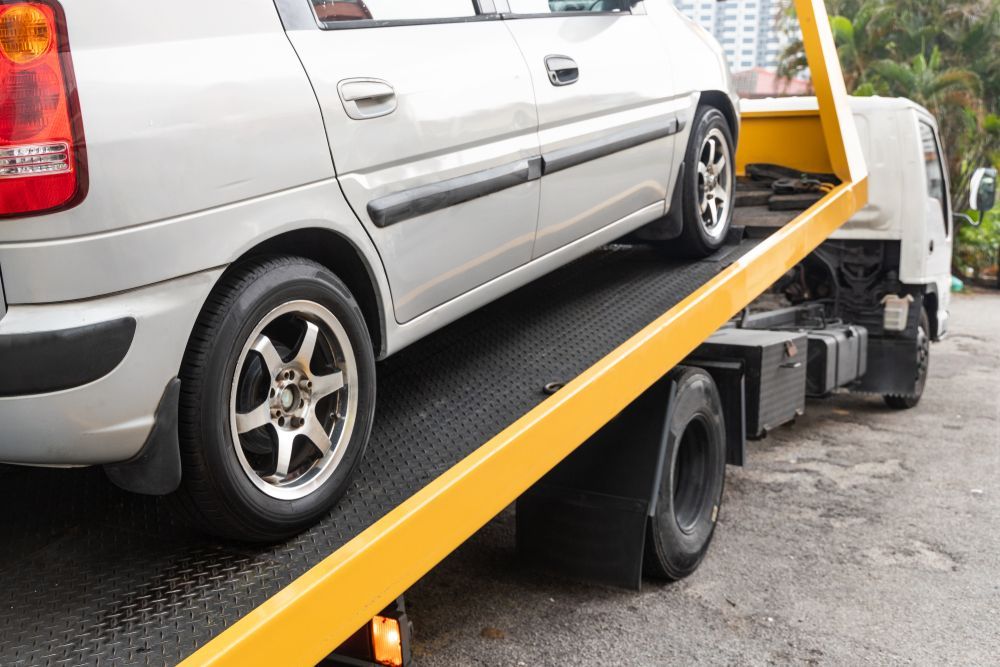
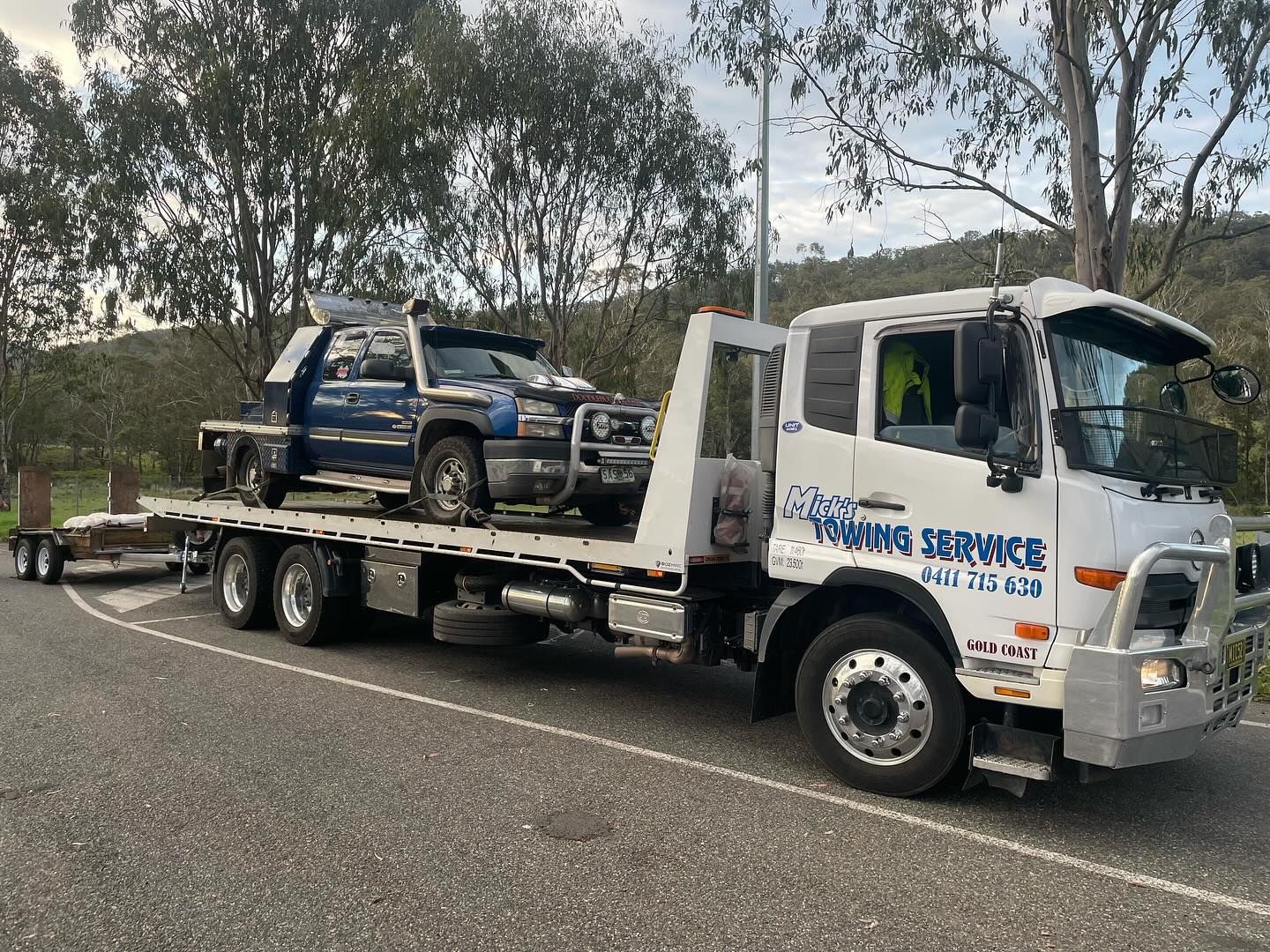
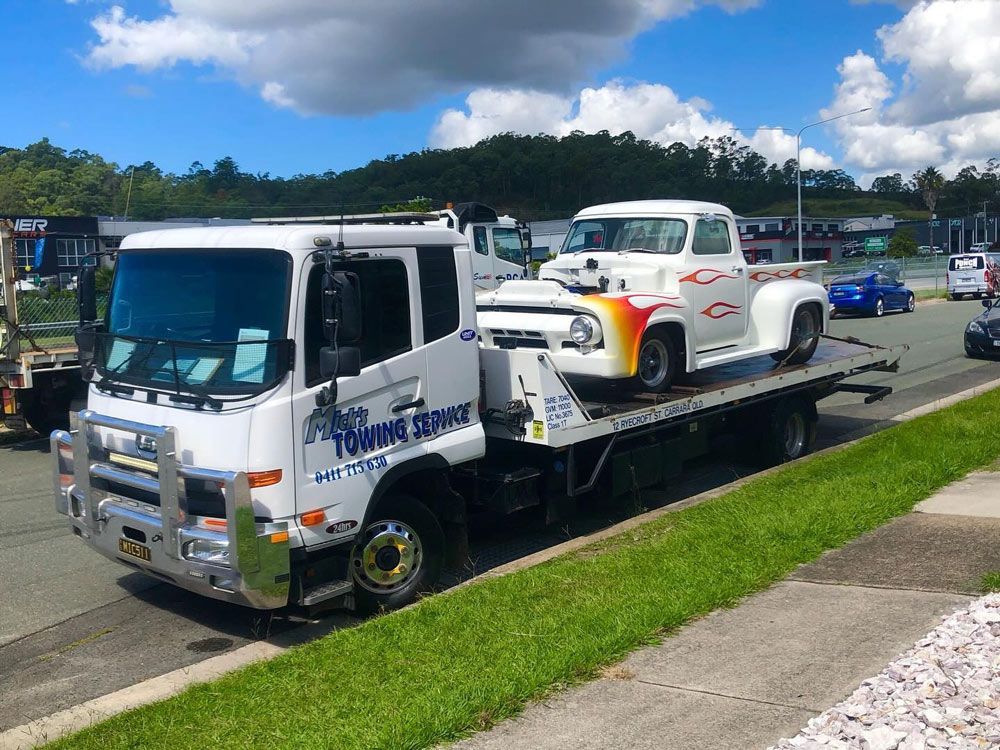
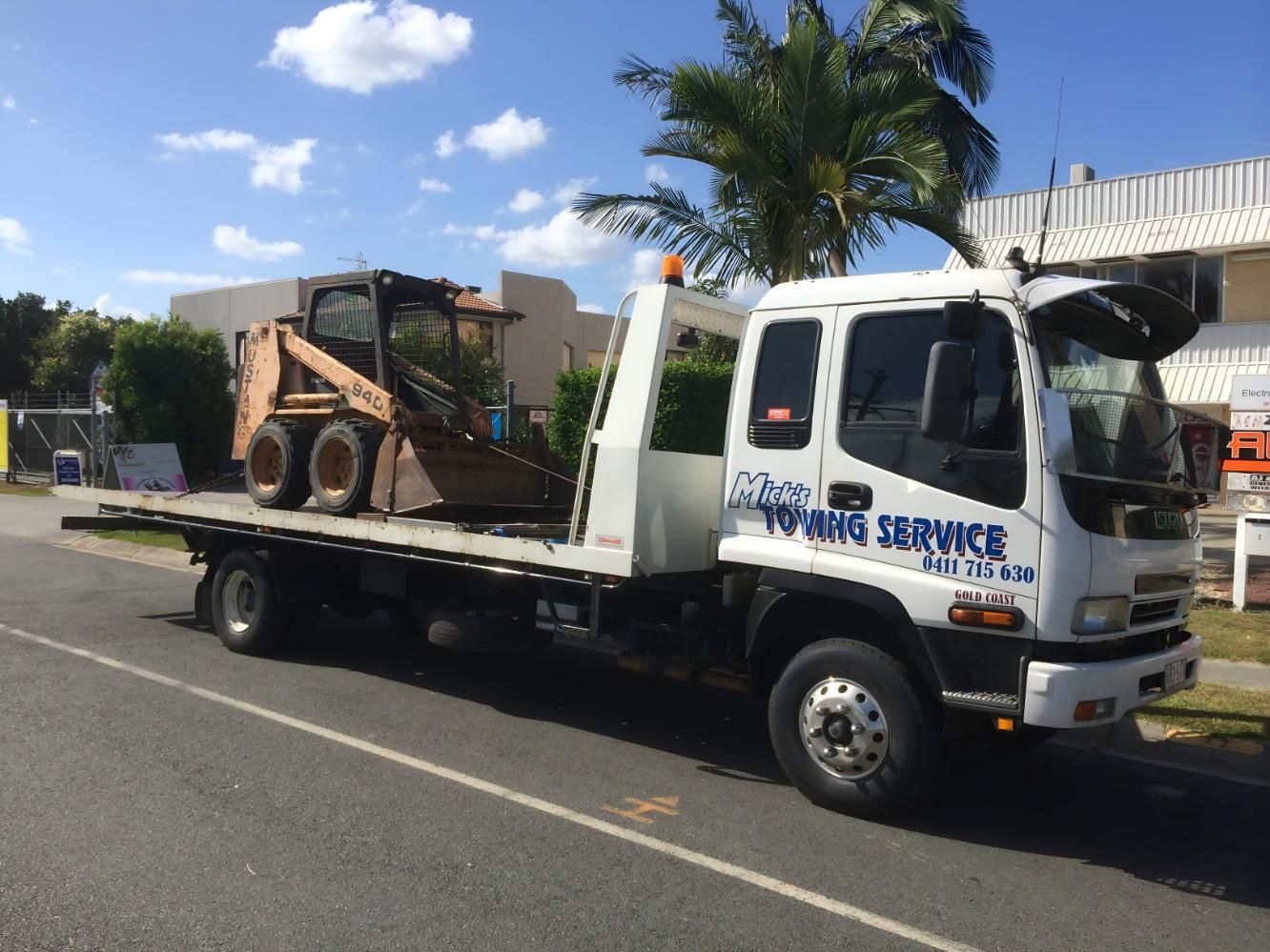
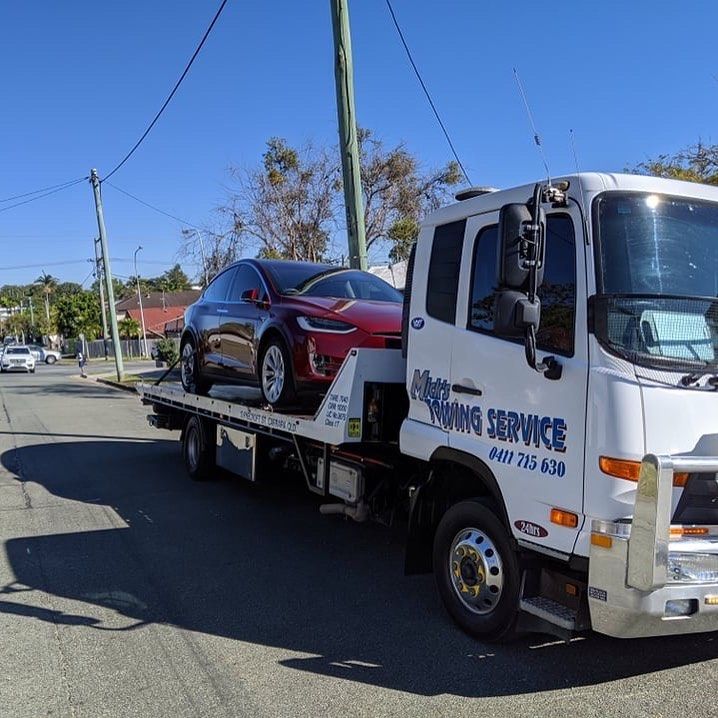
Having access to professional towing services ensures that when issues arise, they can be handled efficiently and safely.
Towing providers support truck operators by:
- Recovering heavy vehicles from roadside or remote locations
- Transporting trucks to repair facilities
- Assisting with accident recovery
- Minimising disruption to delivery schedules
For fleet managers, establishing a relationship with a reliable towing service is an important part of risk management. It ensures that when prevention is not enough, there is a clear plan in place to keep operations moving.
Why Preventative Maintenance Matters
Preventing breakdowns is not just about avoiding inconvenience. It directly impacts operational efficiency, safety and overall costs. Unplanned downtime can lead to missed deadlines, increased expenses and potential safety risks for drivers and other road users.
A preventative approach delivers several benefits:
- Reduced repair costs through early issue detection
- Improved vehicle lifespan & performance
- Enhanced safety for drivers & cargo
- Greater reliability in meeting delivery schedules
By combining regular maintenance with driver awareness and professional support, businesses can significantly reduce the likelihood of breakdowns during long hauls.
When Breakdowns Happen, We’re Ready to Assist
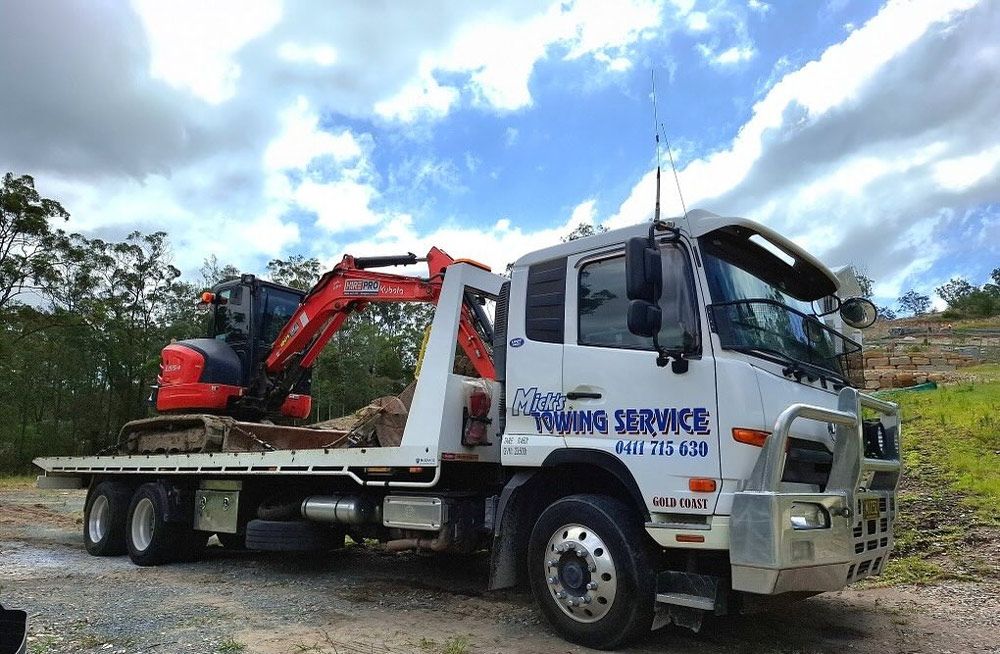
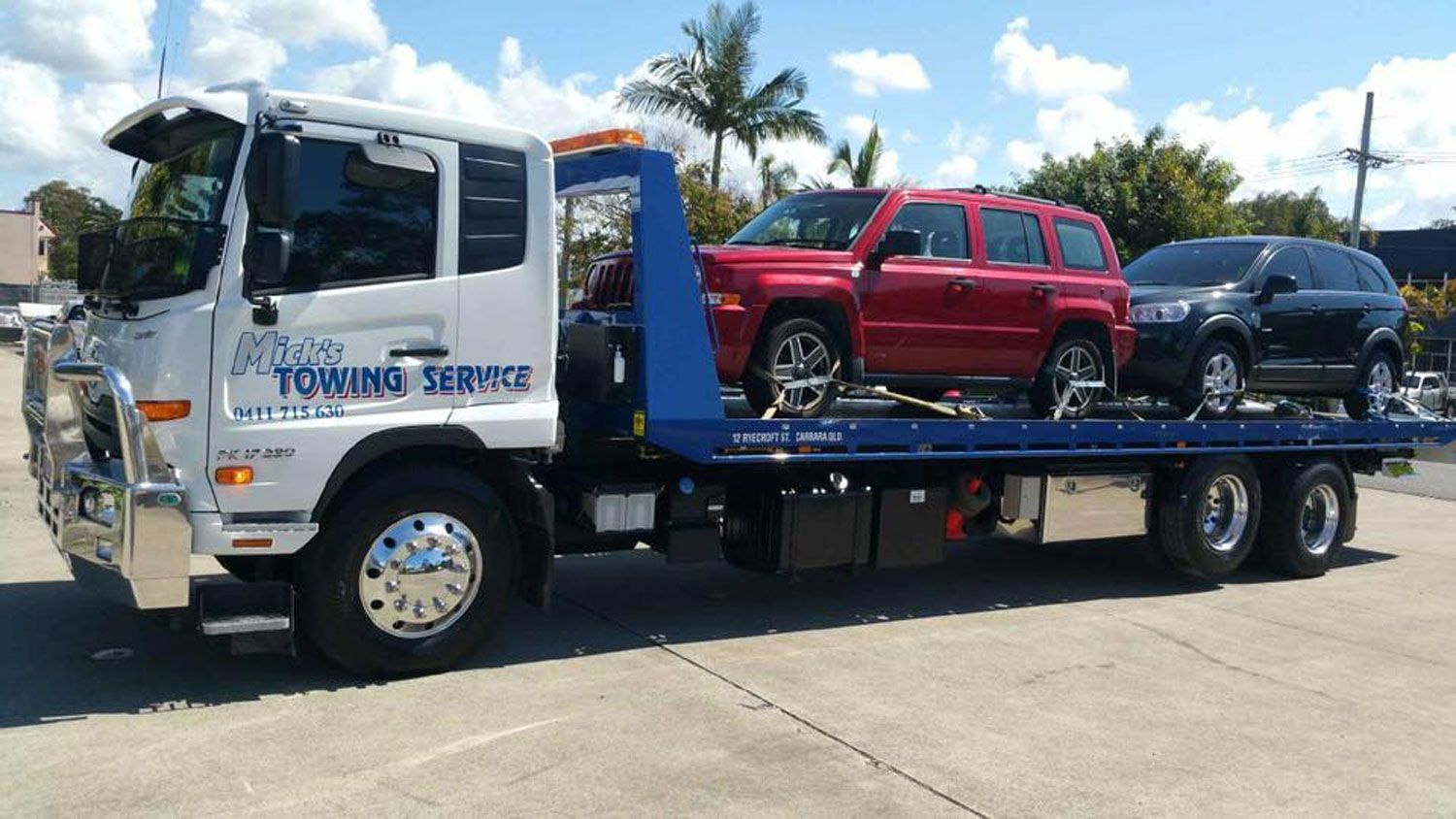
We at Mick's Towing Service understand the pressures that come with long-haul trucking and the importance of keeping your vehicles moving safely and efficiently. While preventative maintenance goes a long way in reducing issues, unexpected breakdowns can still happen when you least expect them. That’s where having dependable support makes all the difference.
If you’re operating in the Gold Coast region and need assistance with truck towing on the Gold Coast, our team is ready to help with prompt and practical solutions. Whether it’s roadside recovery, transport to a repair facility or support after an incident, we’re here to minimise downtime and get you back on track.
Contact us today to discuss your needs or arrange support when it matters most.