Why Heavy Vehicle Towing Is Different From Standard Towing
When a passenger car breaks down, the recovery process is often straightforward: hook up, secure and transport. Heavy vehicles, however, introduce a very different set of conditions that demand careful coordination, specialised equipment and precise execution. Trucks, buses and commercial machinery operate at significantly higher weights and stresses, which means even a minor breakdown can escalate into a complex recovery job.
For fleet operators and truck drivers, downtime is more than an inconvenience. It can disrupt delivery schedules, impact contracts and create flow-on delays across supply chains. This is why heavy towing requires a different level of preparation, skill, and equipment compared to standard roadside recovery.
What Defines Heavy Vehicle Towing Compared with Standard Towing
Heavy vehicle towing is not simply a scaled-up version of light vehicle recovery. The structural design, weight class and braking systems of trucks and buses mean the towing process must account for forces that do not exist in standard passenger vehicle transport.
Unlike standard towing, heavy recovery often involves multi-axle load support and engineered lift points designed to distribute mass safely. The margin for error is smaller, and every movement must be controlled.
- Involves vehicles with significantly higher gross vehicle mass
- Requires load-rated recovery units and specialised attachments
- Demands precise balance to prevent chassis stress or damage
- Often includes articulated or multi-unit combinations
Weight Distribution and Load Management Challenges
One of the most complex aspects of heavy towing is managing how weight is distributed during recovery and transport. An uneven load can create instability, increase tyre stress on recovery vehicles or lead to unsafe road handling.
Heavy vehicles are designed to carry loads in a very specific configuration. Once disabled, that balance is disrupted, and towing teams must recreate stability through controlled lifting and positioning.
- Load shifts must be carefully calculated before movement begins
- Axle weight distribution must remain within safe towing limits
- Incorrect balance can lead to further mechanical damage
- Recovery angles must be adjusted for terrain and vehicle type
Even minor miscalculations can create compounding issues, particularly when dealing with loaded freight vehicles or rigid trucks.
Specialist Equipment Used in Heavy Towing Operations
Standard tow trucks are not equipped to manage the demands of heavy vehicle recovery. Instead, heavy towing relies on purpose-built equipment designed for high-capacity lifting, pulling and stabilisation.
These systems are engineered to handle extreme loads while maintaining control during both recovery and transport.
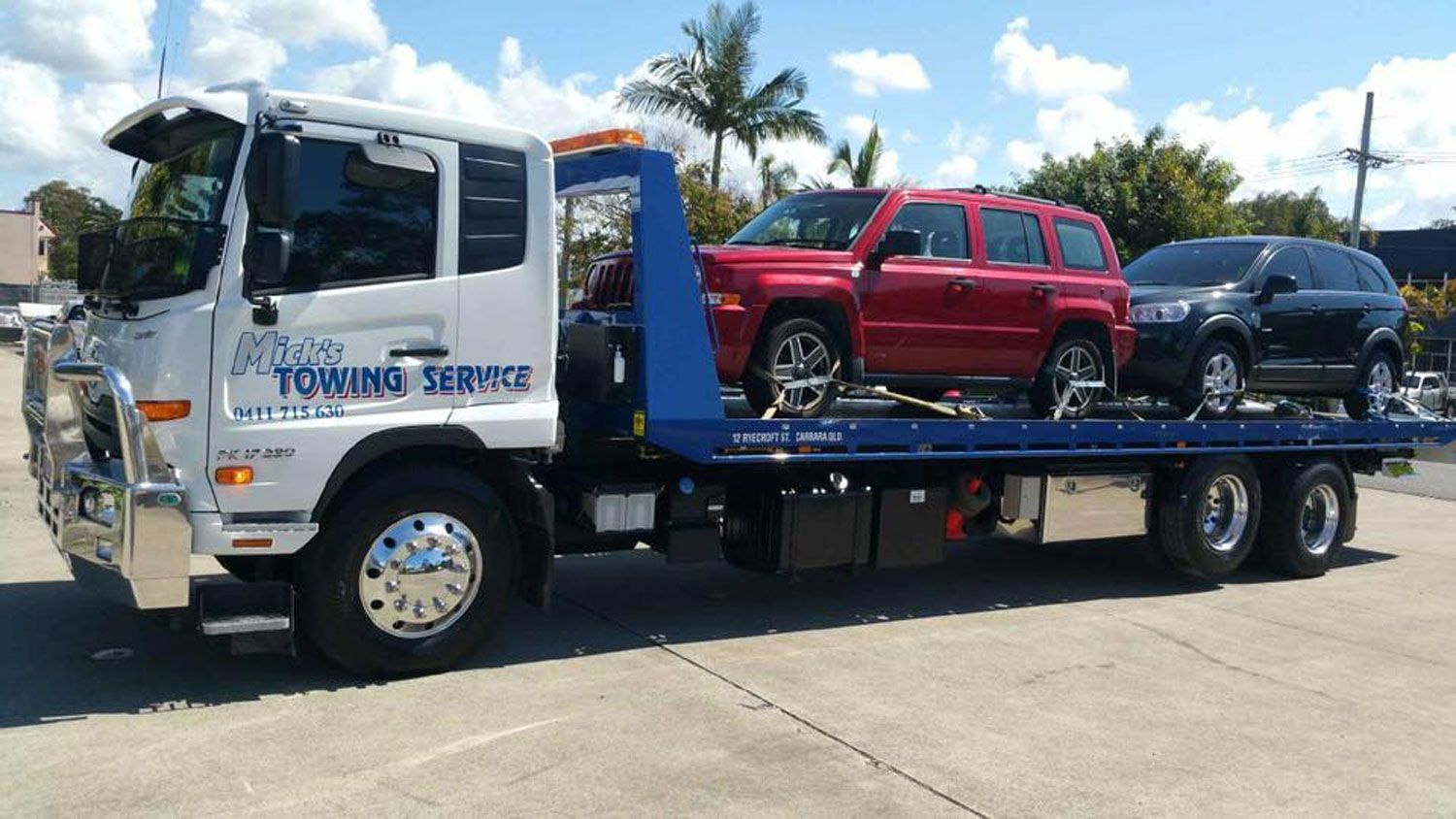
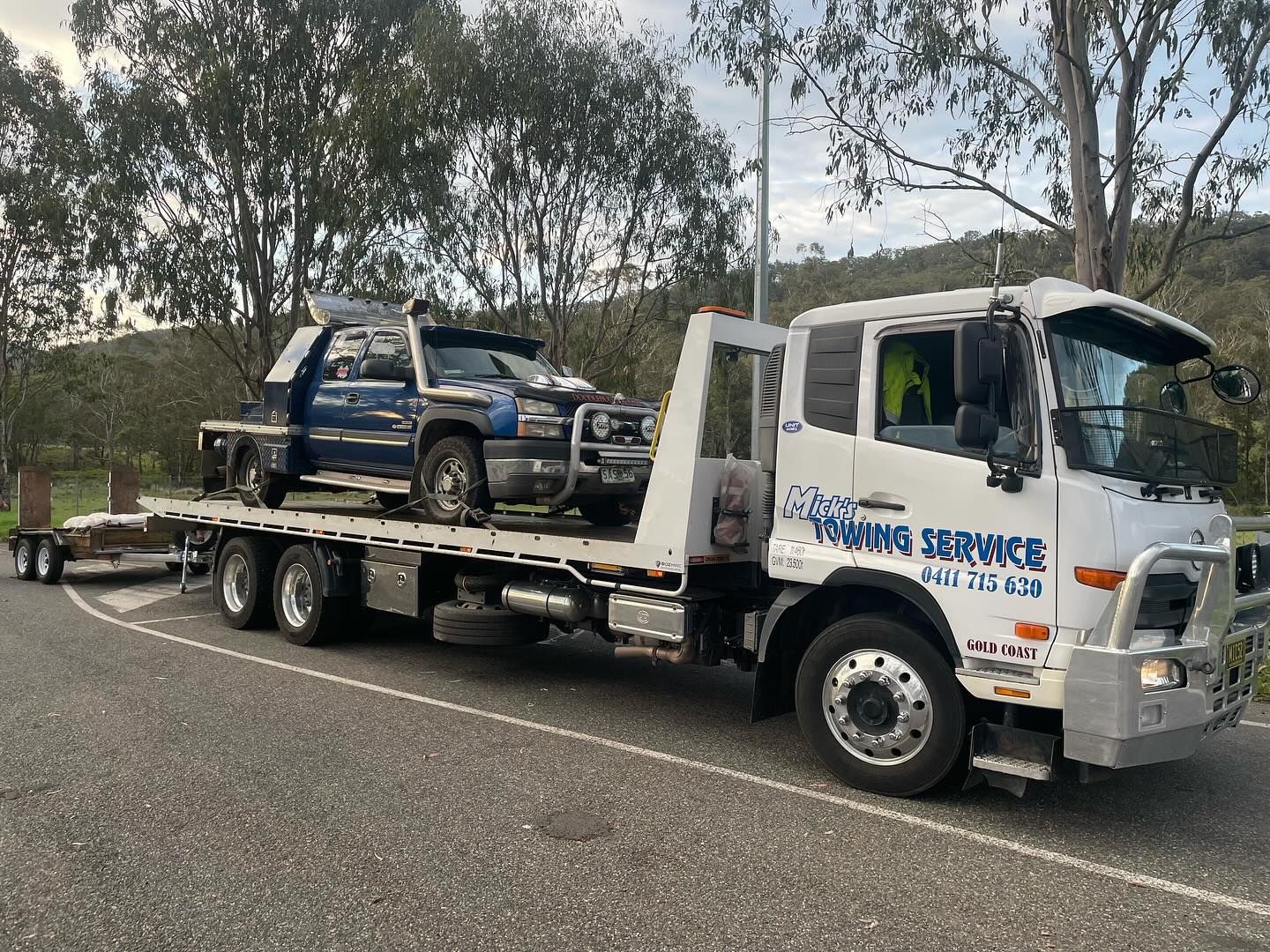
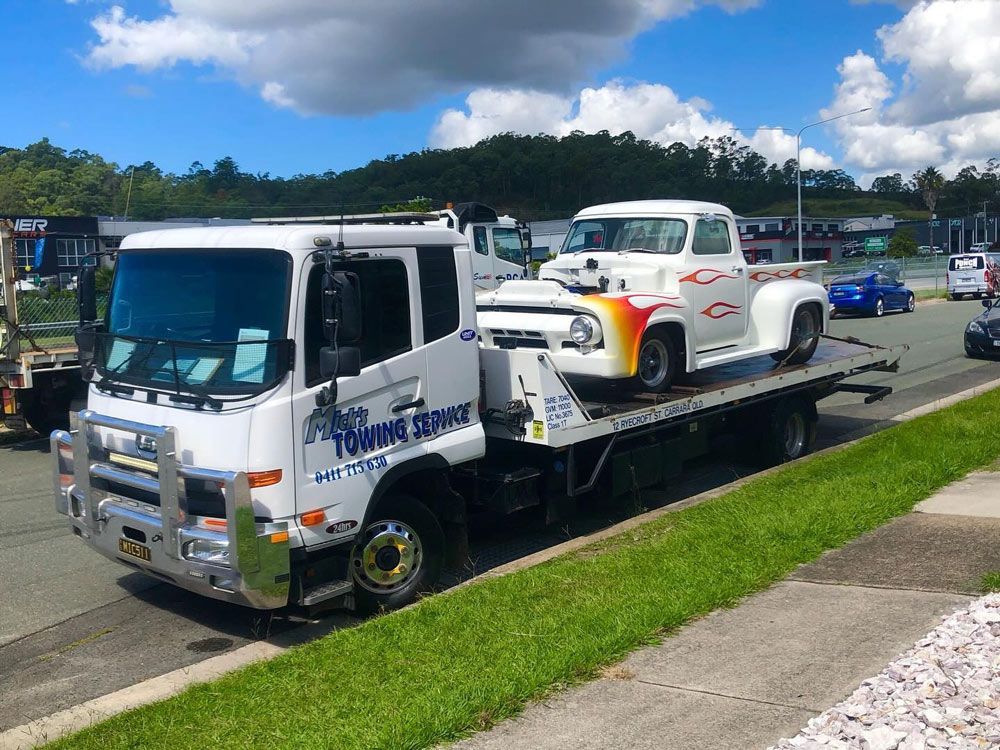
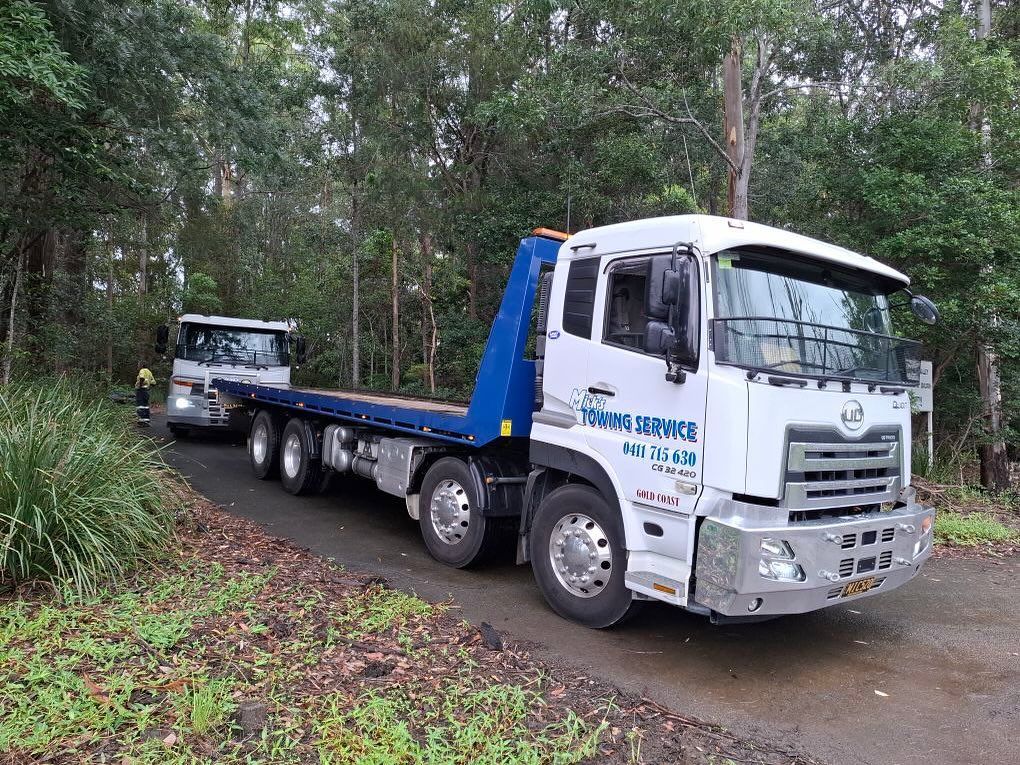
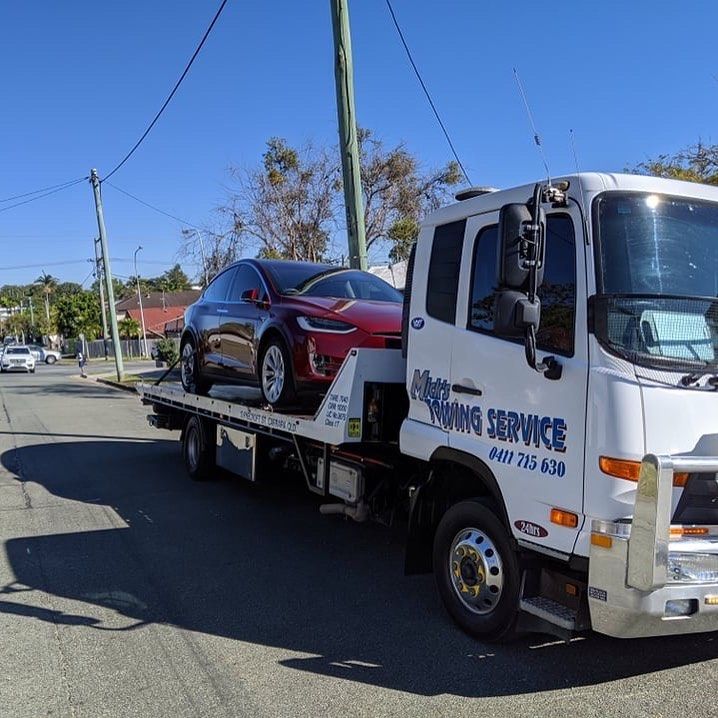
- Heavy-duty tilt tray and rotator tow trucks
- Winching systems rated for high-tension recovery work
- Air cushion recovery systems for rollover situations
- Wheel lift and axle support assemblies designed for trucks and buses
- Load-rated chains, slings, and stabilisation gear
The correct equipment selection depends on the vehicle type, terrain and nature of the breakdown. In many cases, multiple tools are used in combination to ensure a controlled recovery process.
Training, Licensing and Compliance Requirements
Heavy towing operations require more than mechanical capability. Operators must also meet strict training and licensing standards to ensure safe handling of large vehicles under challenging conditions.
This includes an understanding of load dynamics, road safety legislation and advanced recovery techniques. Compliance is critical, particularly when operating on highways or managing commercial freight vehicles.
- Heavy vehicle towing licences and endorsements
- Ongoing training in recovery techniques and safety procedures
- Knowledge of transport regulations and load restraint laws
- Site risk assessments before recovery begins
- Coordination with emergency services when required
This level of compliance ensures that recovery work is carried out safely for both operators and other road users.
Safety Risks and On-Road Recovery Complexities
Recovering a heavy vehicle on a live roadway presents significantly higher risks than standard towing. Traffic flow, vehicle size and environmental conditions all contribute to the complexity of the job.
A breakdown involving a loaded truck on a highway, for example, can create hazards that require immediate containment and strategic planning.
- Increased exposure to live traffic during recovery operations
- Risk of secondary incidents if vehicles are not stabilised correctly
- Hazardous material considerations in some freight loads
- Reduced visibility during night or adverse weather conditions
- Requirement for traffic management in high-risk zones
Safety protocols are essential to minimise disruption and protect both recovery crews and road users.
Planning and Logistics For Heavy Towing Jobs
Unlike smaller recoveries, heavy towing requires structured planning before any physical recovery begins. This includes assessing vehicle condition, location accessibility and the safest recovery method.
Logistics can become particularly complex when dealing with remote breakdowns, multi-vehicle incidents or restricted access roads.
- Initial site assessment to determine recovery approach
- Coordination of appropriate tow vehicles and support equipment
- Route planning to ensure safe transport of the recovered vehicle
- Communication with fleet managers or operators
- Contingency planning for complex or unstable recoveries
This preparation helps reduce downtime and ensures the recovery process runs efficiently from start to finish.
Commercial Fleet Towing And Downtime Considerations
For businesses that rely on transport fleets, vehicle downtime has direct operational and financial impacts. A single immobilised truck can delay deliveries, disrupt supply chains and affect customer commitments.
Commercial towing requires a responsive approach that prioritises efficiency without compromising safety. Fleet operators often require coordinated recovery solutions that integrate with ongoing logistics schedules.
- Rapid response to minimise operational disruption
- Coordination with fleet dispatch teams
- Safe transport of loaded or partially loaded vehicles
- Support for multiple vehicle recoveries when required
- Flexible recovery planning for commercial schedules
This makes heavy towing a critical support service for logistics, transport and construction industries.
When Specialised Towing Support Becomes Essential
Not all breakdowns require heavy recovery, but certain situations clearly demand specialised intervention. These include mechanical failure in large trucks, rollover incidents or breakdowns involving loaded commercial vehicles.
Attempting standard recovery methods in these scenarios can increase damage risk and create safety hazards. Heavy towing ensures the correct equipment and procedures are used from the outset.
- Engine failure in rigid trucks or articulated vehicles
- Rollovers involving buses or freight carriers
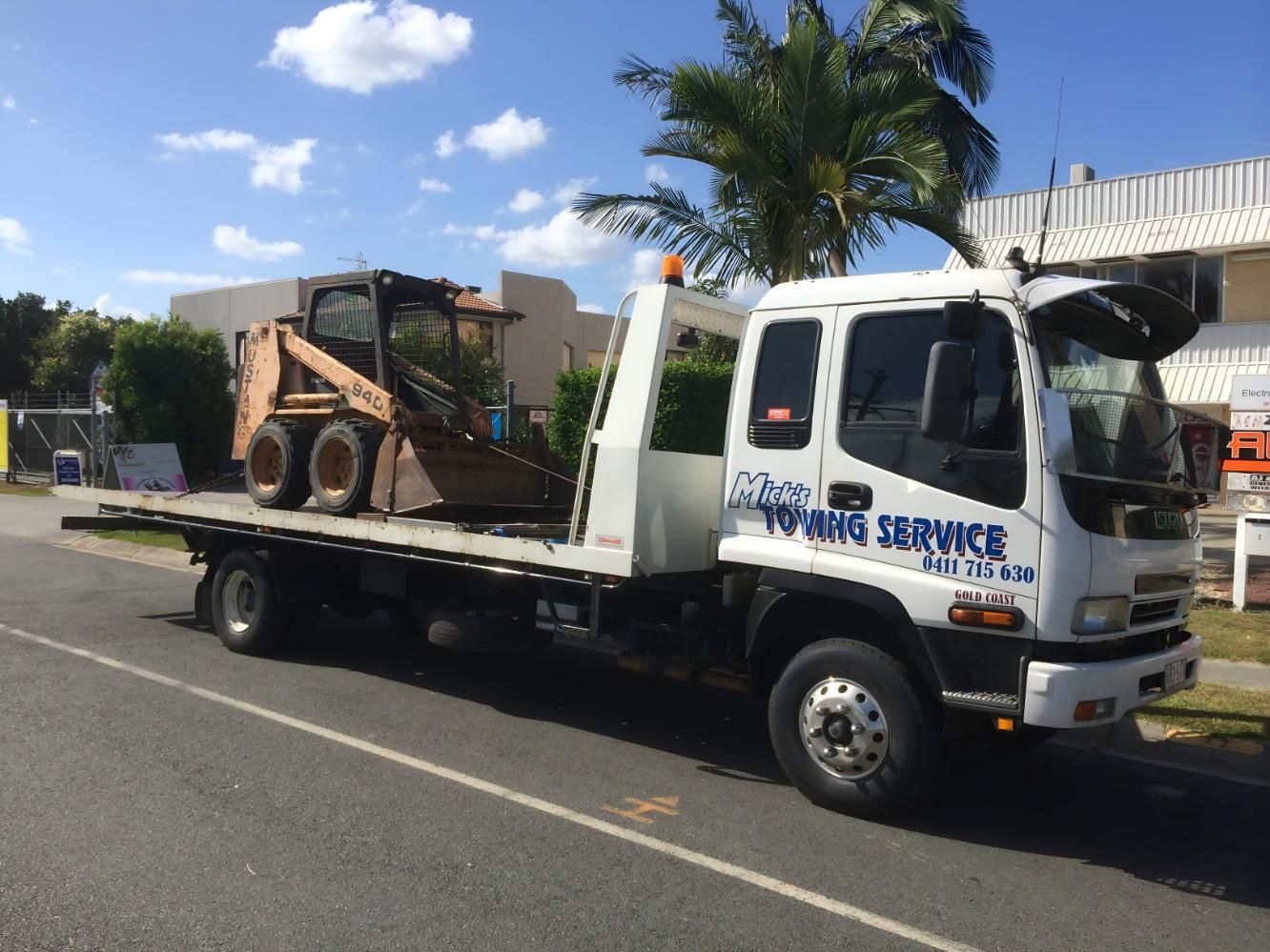
- Recovery of construction machinery or plant equipment
- Long-distance transport of immobilised commercial vehicles
- Roadside incidents involving loaded freight transport
Specialised towing support ensures that recovery is handled with the right balance of safety, control and efficiency.
Arrange Safe Heavy Vehicle Transport Today
We at Mick's Towing Service understand the demands that come with managing heavy vehicle breakdowns and commercial transport schedules. Whether it is a disabled truck on a major route or a recovery involving specialised freight equipment, our focus is on providing a structured and reliable towing response when it matters most.
If you need support with
heavy towing on the Gold Coast or require assistance with commercial towing, our team is available to respond with the equipment and capability suited to your situation.
Contact us to arrange assistance or discuss ongoing fleet support options.