A crash can leave you dealing with vehicle damage, insurance details and traffic hazards all at once. If your car cannot be driven safely, arranging
towing on the Gold Coast quickly becomes part of managing the aftermath. Who ultimately pays depends on your insurance policy, the circumstances of the accident and how the claim is handled. Queensland also regulates crash towing in the Gold Coast area, giving drivers rights around choosing a towing provider and destination. Knowing those basics can make decisions at the scene easier.
What Should You Do If Your Car Cannot Be Driven?
Safety comes first after an accident. Queensland Police advises drivers to make their own towing arrangements when a damaged vehicle needs removal, unless injury prevents them from doing so. Police may arrange towing if the owner does not and the vehicle is creating a hazard or obstruction.
Your immediate priorities should include:
- Move yourself and passengers somewhere safe where possible.
- Contact your insurer or a towing provider if the vehicle cannot be driven.
- Record relevant accident and towing details for your insurance claim.
Once immediate safety is under control, you can focus on where the vehicle should be taken and how the towing cost will be handled.
Who Pays for Towing After an Accident?
There is no universal answer because responsibility for towing costs depends on the circumstances and insurance arrangements. If you have comprehensive insurance, your policy may cover reasonable towing costs following an insured accident, subject to its terms, limits and excess. Where another driver is considered responsible, recovery of costs may form part of the insurance process.
When considering who will pay, check:
- Whether your insurance policy includes accident towing.
- Whether an excess or other claim conditions apply.
- Whether the insurer wants you to follow a particular towing process.
Keeping the towing invoice and receipt gives you documentation to provide if towing expenses form part of your claim.
Does Insurance Cover Towing After an Accident?
Many comprehensive policies provide some form of towing after covered accident damage, but insurers differ in how they arrange and pay for it. Some may organise a tow directly, while others may allow you to arrange one and submit the cost through the claims process.
Before authorising a tow, confirm:
- Whether towing is included under your level of cover.
- Whether there are limits on distance, destination or cost.
- Whether approval is required before arranging the tow yourself.
Your Product Disclosure Statement and insurer remain the best sources for confirming exactly what your policy will pay.
Why Accident Towing on the Gold Coast Is Regulated
Drivers arranging accident towing on the Gold Coast have specific protections because the area falls within Queensland's regulated tow truck scheme. You have the right to decide who tows your vehicle and where it goes. A towing authority must also be completed before the damaged vehicle is towed, and it should state the agreed destination and applicable fees.
At the scene, remember that:
- You can choose the towing provider.
- You can nominate where the vehicle will be taken.
- You should read the towing authority before signing it.
Knowing these rights can reduce uncertainty about what you have agreed to during a stressful situation.
How Much Can Accident Towing Cost?
Queensland regulates maximum charges for standard crash towing within regulated areas, including the Gold Coast. The final amount can still vary depending on distance, storage and whether additional work is needed beyond the standard towing service.
Factors that can affect what you pay include:
- The distance between the accident scene and your chosen destination.
- Whether extra work is required at the scene.
- Storage charges if the vehicle remains in a holding yard longer than the included period.
Understanding how charges are structured can make it easier to review the towing paperwork and discuss reimbursement with your insurer.
Why Keeping Your Tow Invoice Matters
When arranging
towing on the Gold Coast, keep every invoice, receipt and towing authority connected with the accident. Insurers may require proof of the expense before considering it as part of a claim, especially if you organised the tow yourself.
Useful documents to retain include:
- The towing authority showing the destination and agreed charges.
- The final tax invoice and proof of payment.
- Your accident or claim reference details.
Keeping everything together makes it easier to show what was paid, why the tow was needed and where the vehicle was taken.
What Are the Most Common Reasons Cars Need Towing After a Crash?
The most common reasons cars need towing on the Gold Coast after an accident generally relate to whether they can still be operated safely. A vehicle may look relatively intact yet have damaged steering, suspension, cooling components or tyres that make driving risky.
A tow is often appropriate when:
- Steering, wheels, tyres or suspension have been damaged.
- Fluid leaks, electrical damage or deployed airbags make driving unsafe.
- Body damage prevents doors, panels or other components from remaining secure.
If you are uncertain whether the car is roadworthy, arranging a tow is safer than driving a vehicle with damage you cannot properly assess.
Where Should Your Vehicle Be Towed?
Queensland gives the vehicle owner the right to decide the towing destination after a crash. That might be your home, a repairer or the towing operator's holding yard. The choice can affect later costs because a temporary destination may mean paying for another tow once repairs are organised.
Before choosing the destination, consider:
- Whether your insurer has nominated or recommended a repair location.
- Whether the vehicle needs assessment before repairs are arranged.
- Whether choosing a temporary destination could result in another towing charge.
Clarifying the destination early can prevent unnecessary vehicle movements later.
Arrange Accident Towing with a Clear Plan
After a collision, knowing who to call and what information to keep can make the next steps simpler. Insurance may cover towing depending on your policy and claim circumstances, while Queensland's regulated towing system gives motorists important rights over the provider, destination and agreed charges. When arranging
towing on the Gold Coast, keep your paperwork, confirm your insurer's requirements and avoid signing anything you have not read carefully.
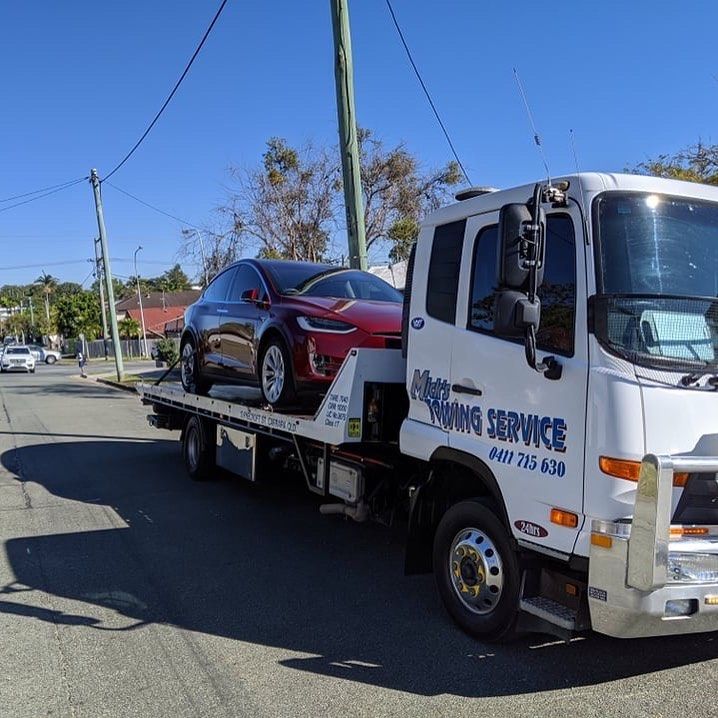
We at Mick's Towing Service assist drivers across the Gold Coast when vehicles cannot be safely driven after an accident. If you need a vehicle removed from a crash scene,
contact us to discuss the location, condition of the vehicle and where it needs to go.